
Known for his stoic demeanor and philosophical approach to running, Kipchoge rarely engages in controversy. However, his refusal to wear the commemorative jersey has sparked a global debate. He believes that the track is a sanctuary for pure human performance only.
In a statement released to the international press, he explained his reasoning clearly. “Sport should focus on achievement, not politics or social movements,” he asserted firmly. This sentence alone has divided the running community into two distinct and vocal opposing camps.
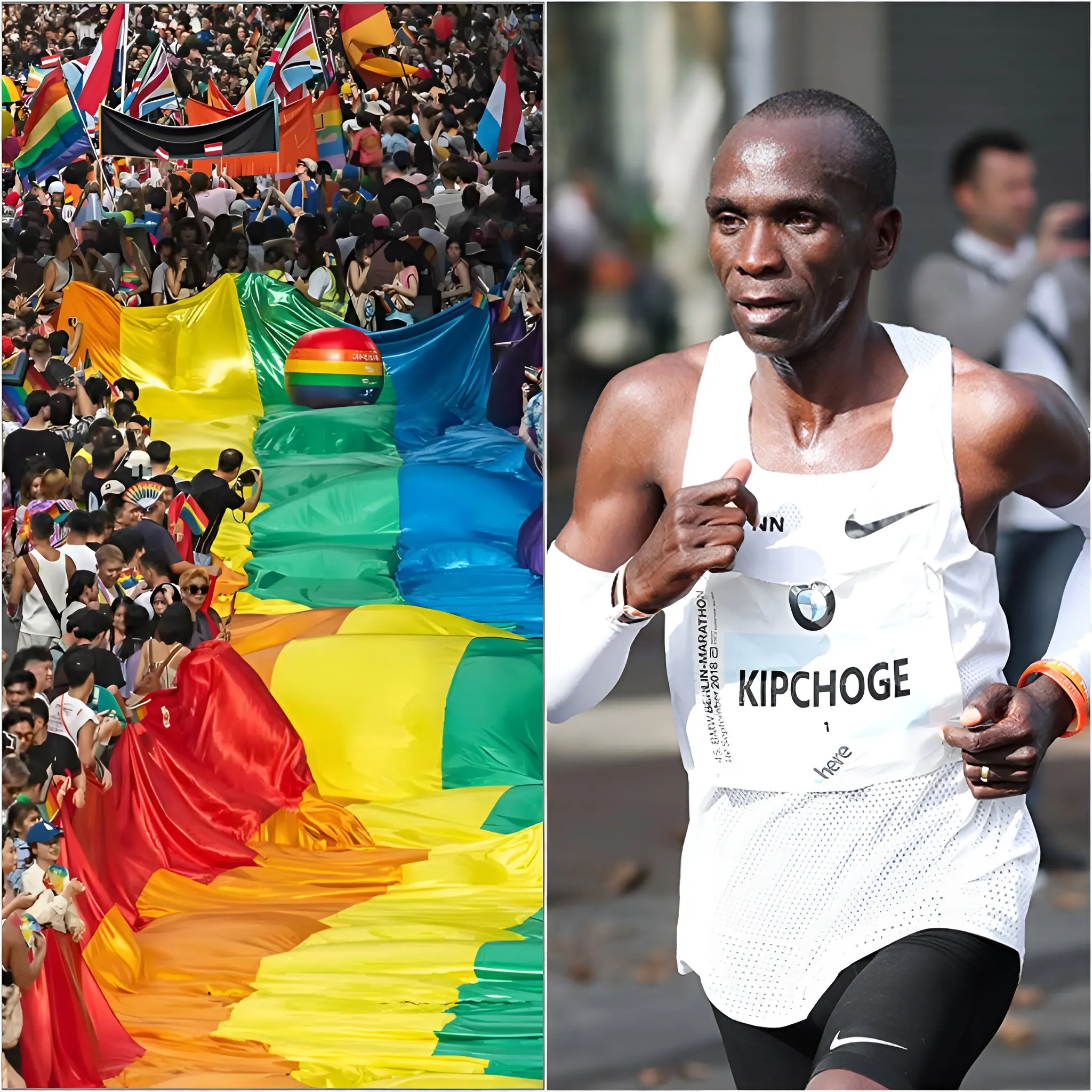
He went further, challenging the very core concept of the event itself. “If we truly have equality, then there is no need for anyone to be ‘proud’ in a separate way,” Kipchoge added. This logic has infuriated activists who demand visibility.
Supporters of the Kenyan runner are praising his courage to speak out today. They argue that he is protecting the neutrality of sports. Many fans feel that political gestures have overshadowed the actual athletic competitions in recent years across the globe.
Critics, however, are calling the statement tone-deaf and harmful to social progress. LGBTQ+ advocacy groups have condemned his words, arguing that equality has not yet been achieved. They view his refusal as a rejection of their identity and their struggle.
The organizers of the Diamond League, where the event was scheduled, are stunned. They had planned to feature Kipchoge as a symbol of unity. Now, they are facing a public relations nightmare as their biggest star effectively boycotts the event’s theme.
Sponsorship implications are being discussed in corporate boardrooms across the world right now. Major Western brands often align themselves with social causes. Kipchoge’s stance puts his partners in a difficult position, forcing them to choose between their corporate values and their star.
This incident follows a growing trend among elite athletes seen recently. From boxing to motorsports, competitors are pushing back against mandatory activism. They are demanding the right to just play their sport without being forced to endorse specific political messages.
Kipchoge has built his career on the mantra “No Human Is Limited.” However, critics are now asking if that philosophy excludes certain groups. The irony of his inclusive slogan clashing with his exclusionary action is being highlighted by media pundits everywhere.
In Kenya, the reaction is largely supportive of the national hero’s decision. The cultural context is different there, and many agree with his stance. This highlights the deepening cultural divide between Western sports organizations and athletes from more conservative nations.
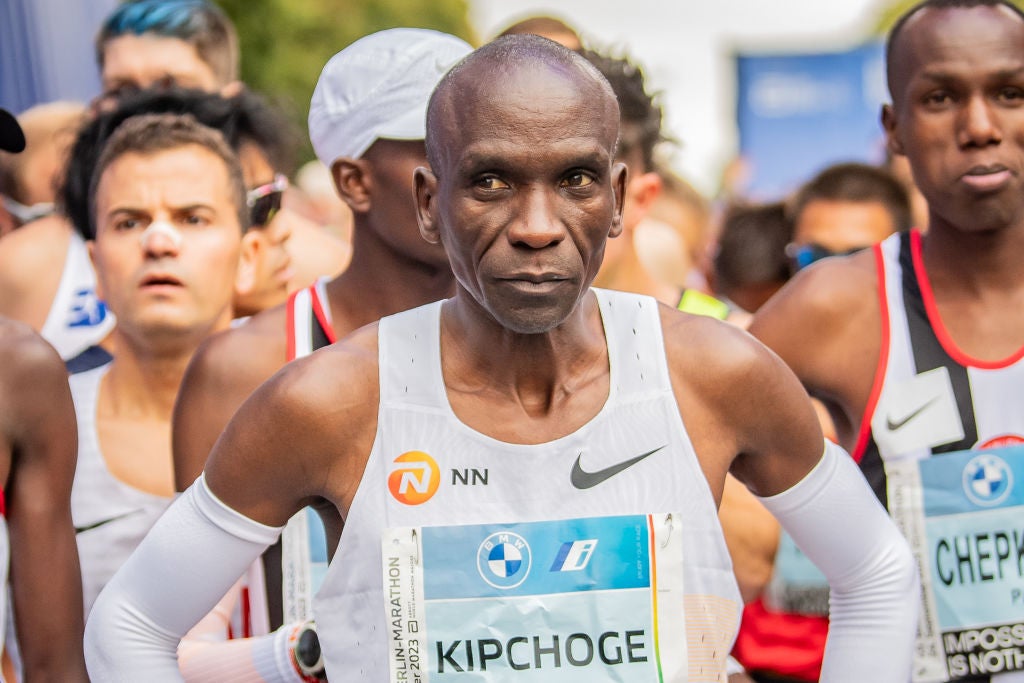
Social media has become a battleground of hashtags since the news broke. #IStandWithEliud is trending alongside calls to strip him of his titles. The polarization of the internet ensures that no nuance is allowed in this heated discussion happening today.
Fellow athletes are now being asked to weigh in on the controversy. Some have expressed solidarity with Kipchoge’s desire for neutrality. Others have distanced themselves, reaffirming their commitment to wearing the pride symbols during the upcoming scheduled competitions this season.
The timing is particularly sensitive as the sport tries to attract younger audiences. Gen Z fans generally expect athletes to be socially conscious. Kipchoge’s comments might alienate a demographic that views silence on these issues as a form of complicity.
Kipchoge appeared unfazed by the backlash during his morning training session today. He has faced physical pain before, but this reputation battle is different. He seems determined to stand by his principles, regardless of the commercial or social cost involved.
Political commentators have seized upon the story to further their own agendas. Conservative outlets are hailing him as a champion of common sense. Progressive outlets are painting him as a barrier to progress. The runner has become a political pawn.
The debate raises questions about the definition of equality in the year 2026. Is it treating everyone the same, or celebrating differences? Kipchoge seems to believe in the former, while the event organizers clearly believe in the latter approach to inclusion.
As the date of the event approaches, tension is building rapidly online. Will other athletes join his boycott? Or will Kipchoge stand alone on the podium of dissent? The unity of the locker room is currently being tested like never before.
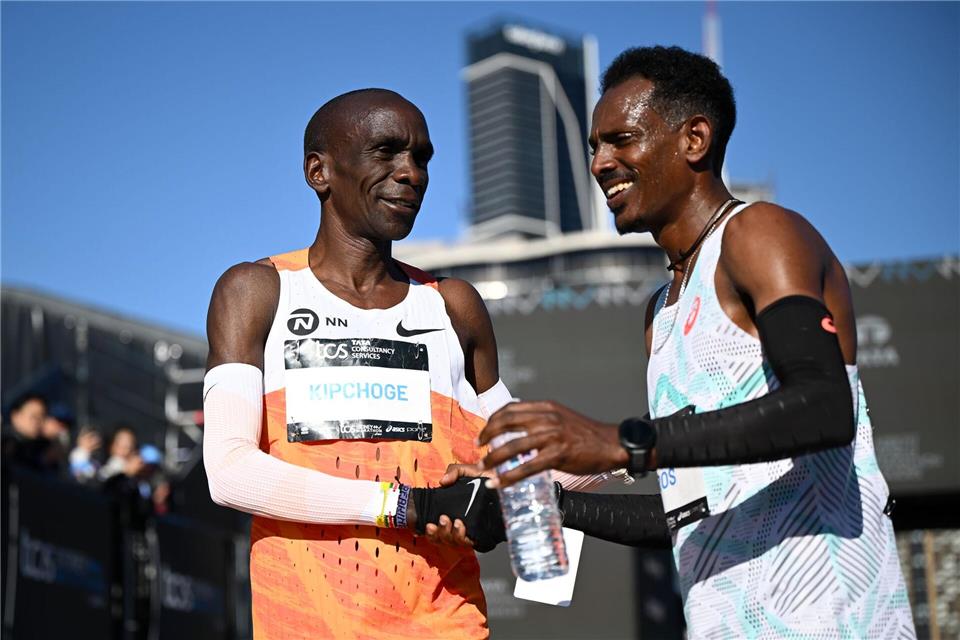
Ultimately, this story is about far more than a rainbow logo stitched onto a jersey. It opens a wider debate about the very soul of modern sports, a space once imagined as neutral ground but now impossible to separate from the world around it.
Are sports meant to be platforms for social change, where athletes are expected to reflect evolving values and take visible moral stands? Or should they remain a form of escape, a rare arena where the only thing that truly matters is who runs fastest, jumps highest, or crosses the line first?
Eliud Kipchoge stands at the center of this tension. On the road, his achievements feel almost timeless. Running a marathon in under two hours was not just a victory over distance, but over long-held assumptions about human limits.
He became a symbol of discipline, patience, and quiet greatness, admired across cultures and continents. For many, Kipchoge represented sport at its purest, focused on effort, rhythm, and the steady belief that no human is limited.
Yet the modern world does not allow such purity to exist in isolation. Outside the race course lies a landscape shaped by politics, identity, and expectation. In this terrain, silence can speak as loudly as action, and personal choices are often read as public statements.
Kipchoge’s refusal to conform, whether rooted in belief, discomfort, or principle, has reshaped how his greatness is interpreted. A single moment now shadows years of triumph, complicating a legacy once defined only by excellence and humility.
This is not simply a story about one athlete or one decision. It is a reflection of a broader struggle facing sports today. Athletes are no longer judged solely by what they achieve, but by what they represent.
Kipchoge may have mastered the art of running against time, but the race against cultural expectation has no clear finish line. In that race, even the greatest champions can stumble, not from weakness, but from the weight of a world that demands more than victory.