
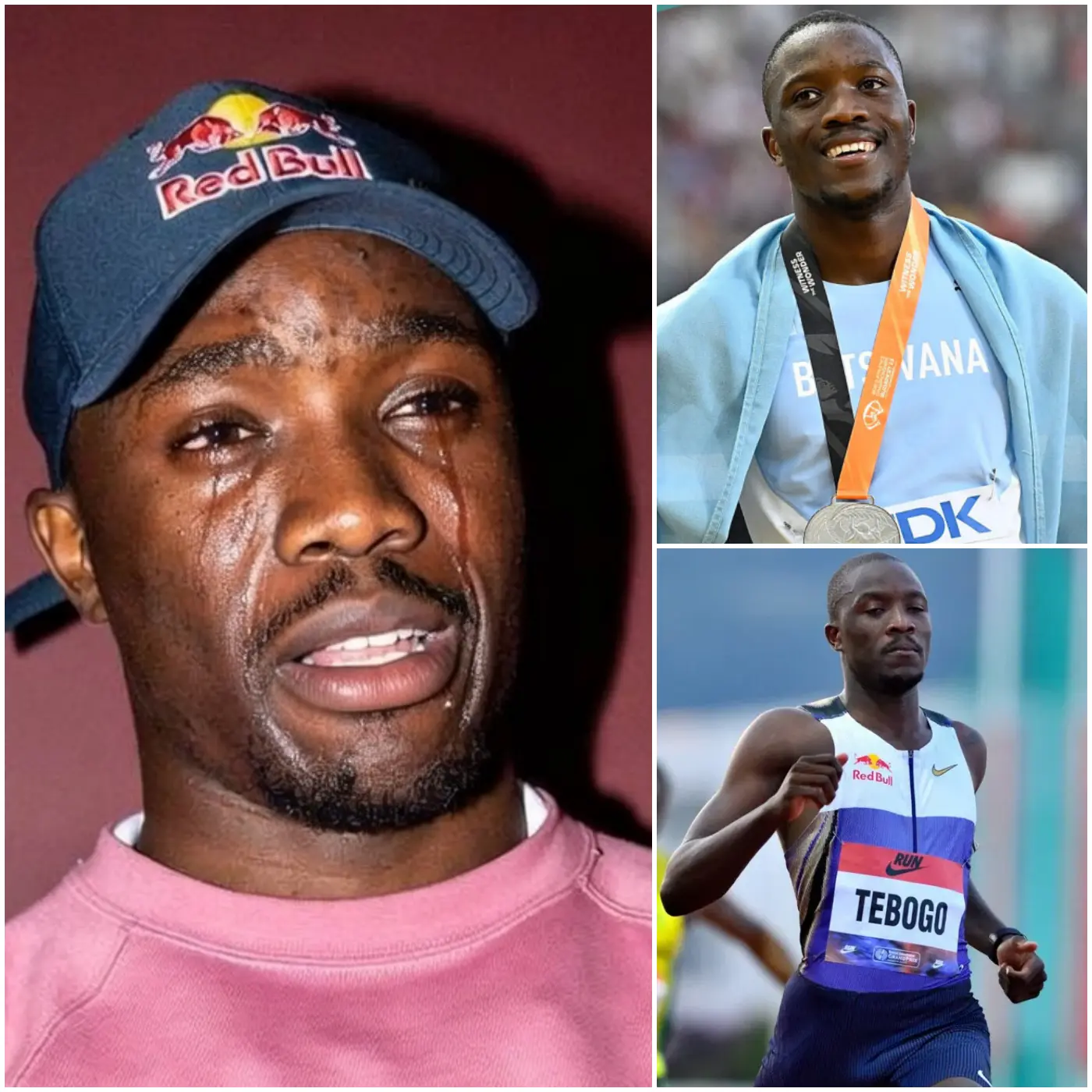
The global athletics community was left reeling after Letsile Tebogo delivered one of the most powerful and emotionally charged statements of his career, declaring that he would refuse to compete in any further tournaments if the current situation surrounding him continued.
The bold declaration came at the end of a turbulent 2025 season marked by controversy, mounting criticism, and what Tebogo described as repeated injustices that went far beyond normal competitive pressure. For a sport built on discipline, fairness, and respect, his words landed like a thunderclap.
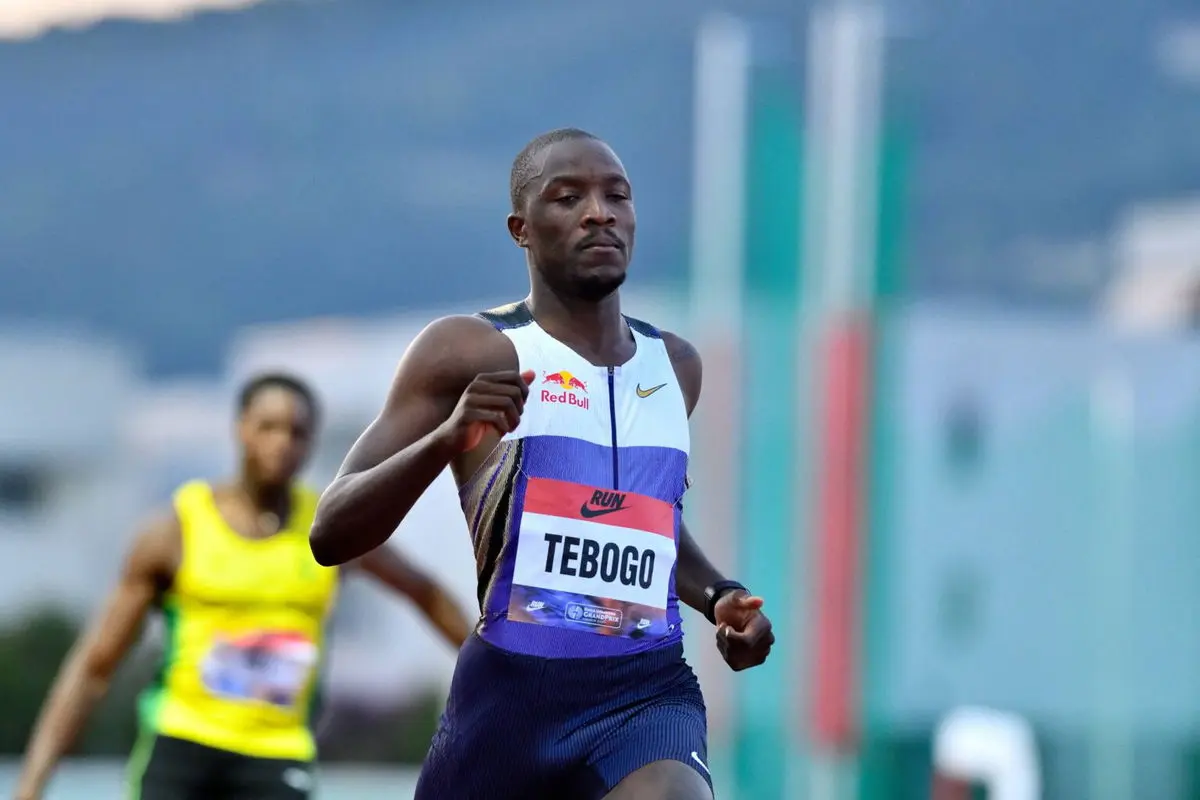
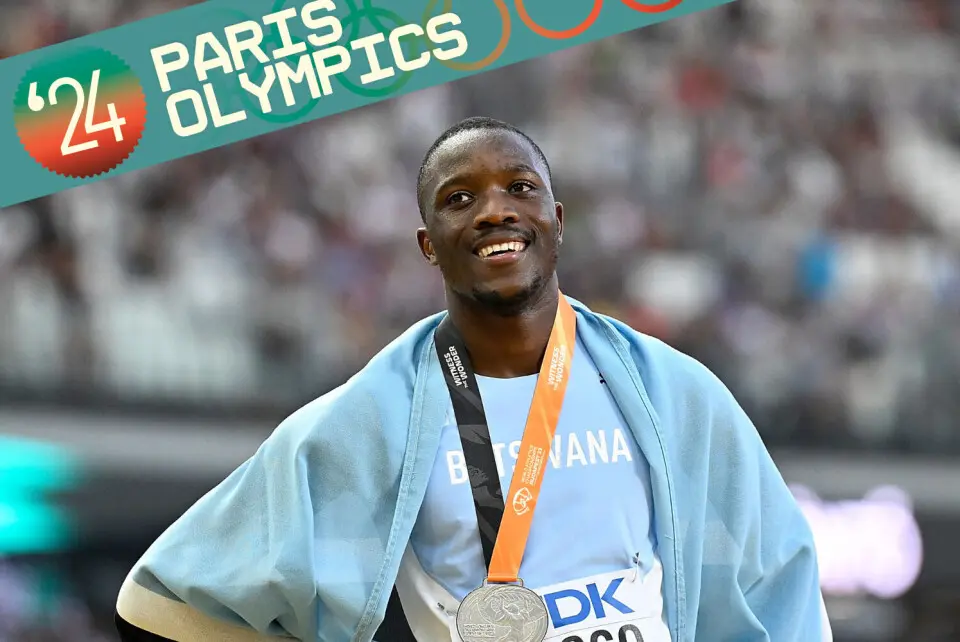
Letsile Tebogo is not just another elite sprinter. He is widely regarded as one of the most electrifying talents of his generation, a symbol of Africa’s growing dominance in global track and field and a source of immense pride for Botswana.
His rise from a young prodigy to a world-class athlete has been fueled by relentless dedication, record-breaking performances, and an unmistakable charisma that resonates with fans across continents. That is precisely why his statement carried such weight: when an athlete of Tebogo’s stature speaks out, the world listens.
According to those close to the situation, tensions had been building for months.
The 2025 season, which should have been another showcase of Tebogo’s explosive speed and competitive brilliance, instead became overshadowed by disputes involving officiating decisions, public criticism from commentators, and what Tebogo’s camp described as inconsistent treatment compared to other top athletes.
While elite sport has never been free from controversy, the accumulation of incidents reportedly pushed the sprinter to a breaking point.
In his statement, Tebogo made it clear that this was not an emotional outburst made in the heat of the moment. His words were calm, deliberate, and resolute.
He emphasized that his stance was about principle rather than protest, explaining that continuing to compete under conditions he viewed as fundamentally unfair would amount to accepting a system that undermines the very values athletics claims to uphold.
For Tebogo, the issue transcended personal results or medals; it was about respect, transparency, and integrity.
Fans quickly flooded social media with messages of support, many praising Tebogo’s courage for speaking out in an environment where athletes often feel pressured to remain silent.
Hashtags bearing his name trended globally within hours, with supporters arguing that elite competitors should not be punished, targeted, or disrespected for simply demanding fairness. Former athletes and sports analysts echoed similar sentiments, noting that Tebogo’s stance reflects a broader frustration felt by many professionals across different disciplines.
At the same time, the reaction was not universally supportive. Some critics argued that Tebogo’s statement risked damaging the sport’s image and could set a precedent that encourages athletes to withdraw when decisions do not go their way.
Others questioned whether stepping away from competition would truly bring about meaningful change. Yet even among skeptics, there was a clear acknowledgment that Tebogo’s concerns deserved serious consideration rather than dismissal.
The Botswana athletics community responded with unwavering backing. National sports officials praised Tebogo for representing not only his country’s athletic excellence but also its values of dignity and resilience. For a nation that has watched Tebogo grow into a global star, his willingness to confront perceived injustice resonated deeply.
Many saw his stance as a reflection of Botswana’s emerging voice on the international sports stage, one that refuses to be ignored.
As pressure mounted, the athletics federation found itself forced into an immediate response. In an official statement, the governing body acknowledged Tebogo’s concerns and confirmed that an internal review would be conducted to examine the incidents raised.
While the statement stopped short of admitting fault, it emphasized a commitment to fairness, athlete welfare, and open dialogue. For many observers, the speed of the response alone underscored the seriousness of Tebogo’s declaration.
This moment has sparked renewed debate about the power dynamics in professional athletics. Athletes are the lifeblood of the sport, yet decisions that affect their careers are often made behind closed doors.
Tebogo’s stance has reignited calls for greater transparency in officiating, clearer communication from governing bodies, and stronger mechanisms to protect athletes from what they perceive as arbitrary or biased treatment. In that sense, his declaration may become a catalyst for broader reform.
For Tebogo himself, the situation represents a defining crossroads. At the peak of his physical abilities and global popularity, stepping away from competition would be a monumental decision with far-reaching consequences. Sponsors, event organizers, and fans all have a stake in his presence on the track.
Yet Tebogo appears prepared to accept those risks if it means standing by his principles. That willingness to sacrifice personal gain for integrity has only amplified respect for him among supporters.
The broader sporting world is watching closely. Comparisons have already been drawn to other high-profile athletes in different sports who have taken bold stands against systems they felt were unjust. In many cases, those moments initially sparked controversy but later led to meaningful change.
Whether Tebogo’s situation follows a similar trajectory remains to be seen, but the parallels are difficult to ignore.
From a purely competitive standpoint, the potential absence of Letsile Tebogo would leave a significant void in global sprinting. His rivalries, explosive finishes, and record-setting performances have been central to the sport’s recent appeal. Race organizers and broadcasters understand that his presence elevates events, drawing viewers and energizing stadiums.
Losing such a figure, even temporarily, would be felt across the athletics calendar.
Yet Tebogo’s message suggests that no title or accolade is worth compromising core values. He spoke about the importance of young athletes watching from around the world, learning not only how to run fast but how to stand firm in the face of adversity.
In that context, his statement becomes as much about mentorship as it is about protest. He is acutely aware of the influence he holds and appears determined to use it responsibly.
As discussions continue behind the scenes, many hope that dialogue will lead to resolution rather than rupture. Fans want to see Tebogo back on the track, doing what he does best, while also knowing that his concerns have been addressed in a meaningful way.
The federation’s next steps will be critical in shaping public perception and determining whether trust can be rebuilt.
What is undeniable is that the 2025 season will be remembered as a turning point. Regardless of the outcome, Letsile Tebogo has already left an indelible mark by challenging the status quo and demanding accountability.
In a sport often defined by milliseconds and margins, his stand reminds the world that integrity and fairness matter just as much as speed.
As the story continues to unfold, one thing is clear: this is no longer just about one athlete or one season. It is about the future direction of global athletics and the balance between authority and athlete voice.
Whether Tebogo returns to competition soon or chooses to step away until changes are made, his message has already resonated far beyond the starting blocks, shaking the foundations of the sport and forcing everyone involved to confront uncomfortable but necessary questions.